Mad Honey: A Sweet but Dangerous Tale of History, Mystery, and Medicine
- Frank Jeanplong
- Jan 24, 2025
- 2 min read

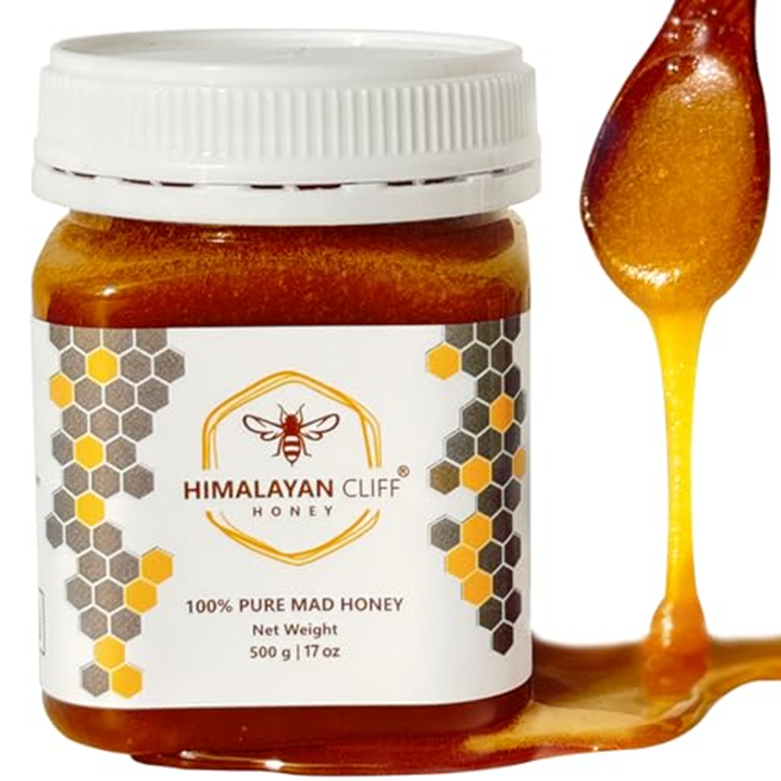
From ancient medicinal uses to modern-day poisoning cases, the story of mad honey is as captivating as cautionary. Made by bees that feed on Rhododendron nectar, this unique honey is packed with grayanotoxins, known for their psychoactive and toxic effects. Whether you're a history enthusiast, a healthcare professional, or just curious about nature's quirks, this article explores mad honey's rich history, its place in warfare, and its controversial role as a hallucinogen and aphrodisiac.
Key Takeaways
1. Historical Drama: Mad Honey in Warfare
The use of mad honey in warfare is a story from a historical thriller. Ancient accounts describe how King Mithridates VI of Pontus weaponized this honey during his battle against the Romans in 67 BCE. By leaving pots of intoxicating honey for Roman soldiers, he rendered them disoriented and defenceless, leading to a decisive victory. This "sweet trap" underscores how a natural product was cleverly used as a biological weapon.
2. Medicinal Mysteries and Misuse
Throughout history, mad honey has been touted as a remedy for ailments like hypertension, arthritis, and digestive issues. Even Aristotle mentioned its medicinal properties, claiming it could cure epilepsy. Despite these claims, its toxicity is no joke. Symptoms of mad honey poisoning - from dizziness and nausea to severe bradycardia and hypotension - can strike within hours of consumption. While these effects are often temporary, they’ve led to numerous hospitalizations and even historic fatalities.
3. Hallucinogenic Allure
Not all mad honey is created equal. In Nepal, the "Rhodium" variety - harvested by Himalayan giant bees - is known for its potent hallucinogenic effects. Its ability to produce euphoria and psychedelic experiences has made it a sought-after substance, used recreationally and in rituals. However, the fine line between a "high" and harm makes this honey a risky indulgence.
4. Aphrodisiac Properties: Myth or Reality?
Mad honey's reputation as a natural aphrodisiac has led to increased global demand. Historical accounts and modern studies suggest its ability to enhance sexual performance, particularly in middle-aged men. However, as with all folklore remedies, overconsumption has landed many in emergency rooms, with cases of heart issues and severe intoxication linked to its use.
5. Global Spread and Public Health Concerns
Though traditionally consumed in Turkey and Nepal, mad honey’s fame has spread worldwide due to globalization. Imported varieties have found their way into households and alternative medicine markets, sometimes leading to mislabeling and accidental poisonings. Healthcare professionals are now urging increased awareness to recognize and treat grayanotoxin poisoning effectively.
Why It Matters Today
In a world fascinated by natural remedies, the story of mad honey is a cautionary tale. Its historical significance, medicinal allure, and potential dangers make it more than just a sweet curiosity. By understanding its risks and benefits, we can appreciate its place in history while avoiding its pitfalls.
Mad honey reminds us that even nature’s sweetest offerings can come with a sting. Whether you're a history buff, a health enthusiast, or a beekeeper intrigued by honey's diverse possibilities, this tale serves as both an inspiration and a warning.
Click the link below to read the source review article:


Comments